Short answer: both are classic serotonergic psychedelics with low physiological toxicity and no established dependence liability, but they differ sharply in duration, measurability and how often they are substituted with something else.
A note before you read on
This article is educational and harm-reduction focused. Nothing here is medical advice, and nothing here should be read as encouragement to use a controlled substance. LSD is illegal in Canada outside of authorised research and special-access programmes. Shroom Bros Official does not sell LSD, acid tabs, LSD gummies or any lysergamide product. If you are worried about your own or someone else’s substance use, speak to a doctor or contact a local health line.
Shared pharmacology
Psilocybin is dephosphorylated to psilocin in the body; both psilocin and LSD are agonists at the 5-HT2A receptor, which is why the two cross-tolerate and why their subjective effects overlap.
Where they diverge
- Duration: roughly 4–6 hours versus roughly 8–12.
- Stimulation: lysergamides are more commonly described as stimulating and sleep-disrupting.
- Nausea: more frequently reported with mushrooms, from the fungal material itself.
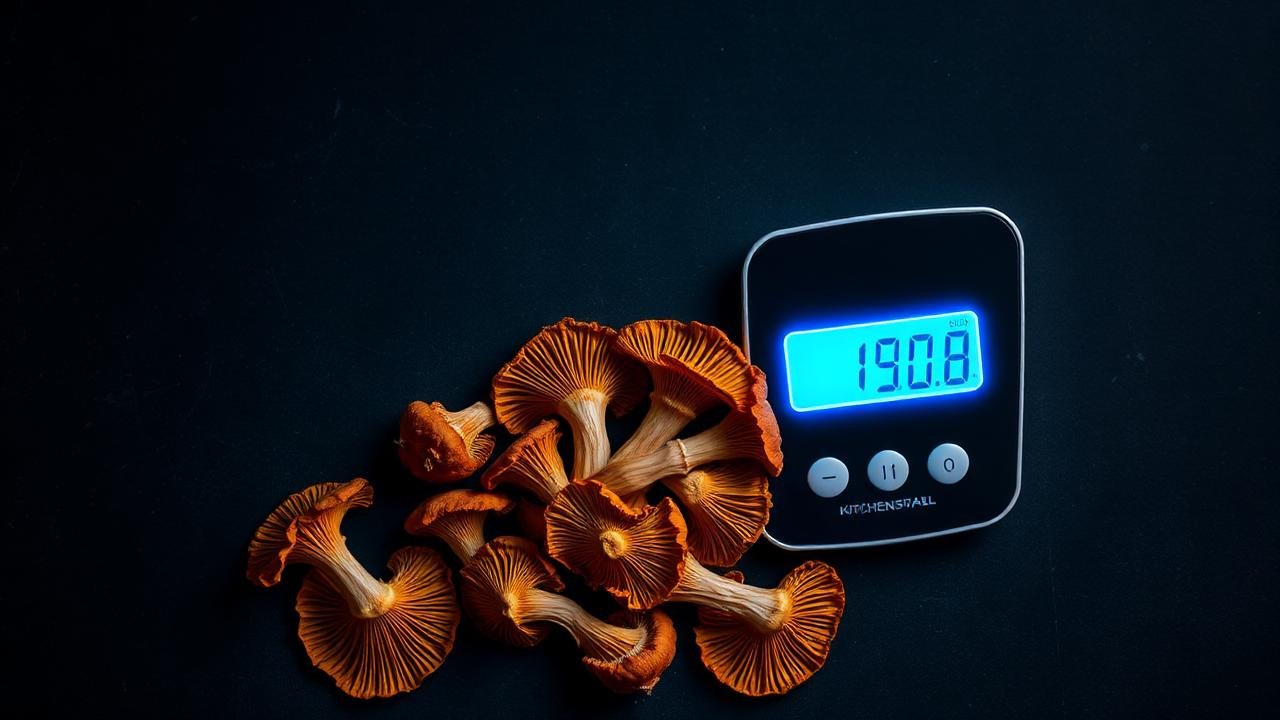
- Measurability: mushrooms can be weighed; blotter cannot be assessed at home.
Risk profile
The documented risks for both are overwhelmingly psychological and situational rather than toxicological — difficult experiences, accidents, and interactions with existing mental health conditions or medications such as lithium. Personal or family history of psychosis is the most consistently flagged contraindication in the literature.
Legal reality in Canada
Both are Schedule III controlled substances. Legal exceptions are narrow: clinical trials, the Special Access Programme, and section 56 exemptions.